

Heel Pain & Plantar Fasciitis – A Solution
The Watford Plantar Fasciitis Program
Does this describe you?
- You are struggling with heel pain and not sure what to do or who to ask.
- You are frustrated that your injury is stopping you from doing the things you love.
- Your first steps in the morning are painful and the pain is affecting your energy and well being during the day.
- You are frustrated that the pain is making simple things like walking, standing at work or going for a run, so difficult.
- You have had an injection for your heel and are disappointed that you are still struggling with pain.
- You are starting to worry that this isn’t ever going to get better and might mean you need an injection or an operation.
Here at the Watford Osteo 360 Injury Clinic we are dedicated to helping the local community in Watford and the surrounding areas, helping heel pain sufferers just like you get back to doing the things they love and enjoy.
If you would like to find out more about us and whether we can help you click on the link below and we will be in contact to discuss your issue.

What is Plantar Fasciitis?
And why isn’t yours getting better?
The plantar fascia is a thick band of tissue that runs along the sole of your foot, from your heel to your toes. It supports the arch of your foot and absorbs load every time you stand, walk or run.
Plantar fasciitis (also known as plantar heel pain) usually produces:
- Pain underneath the heel or along the arch of the foot.
- Pain that is worst with the first steps in the morning.
- Pain after sitting or resting, which eases a little once you get moving.
- Pain after long periods of standing or walking.
It is most commonly caused by overload, such as a sudden increase in walking, running or standing, unsupportive footwear or tight calf muscles.
Because we are on our feet every day it can be very difficult to rest, and untreated heel pain can last for months or longer.

The Watford Plantar Fasciitis Program
3 Step Plantar Fasciitis Program.
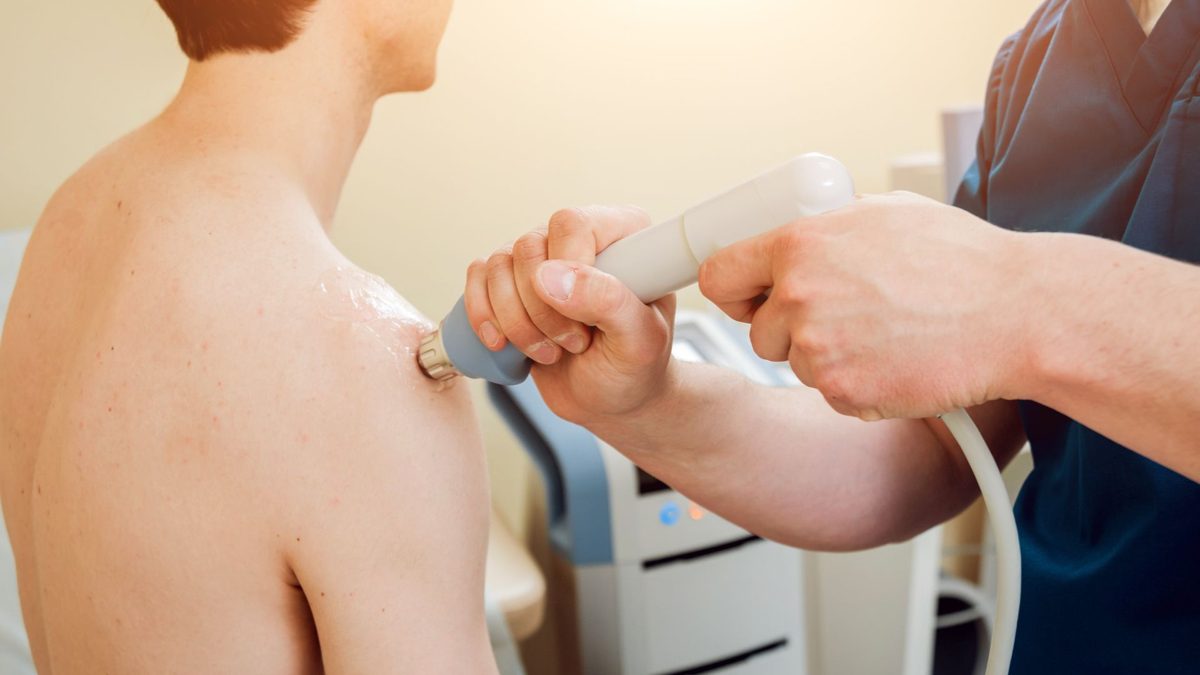
Step 1 – Hands-On Treatment
Our knowledgeable and experienced osteopaths will carry out a treatment plan tailored to your specific circumstances, injury, and goals.
A very much hands-on manual therapy treatment approach to get you out of pain and back on the road to recovery.
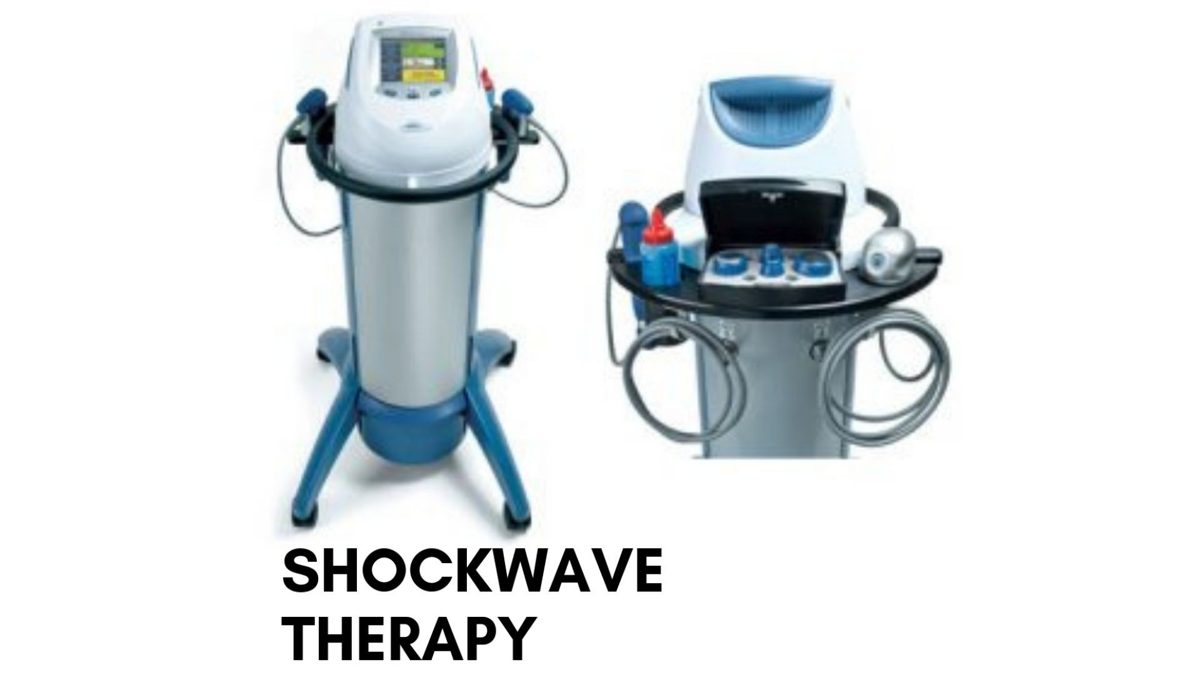
Step 2 – Technology for Heel Pain Treatment
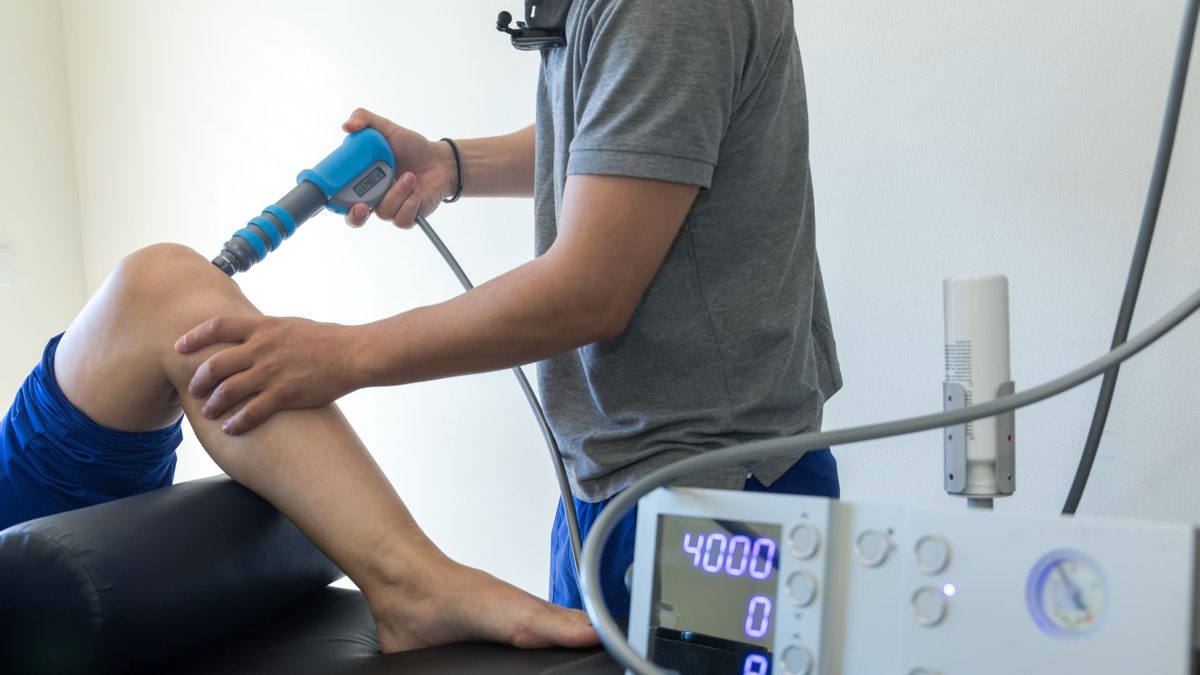
Shockwave therapy is a targeted and effective treatment approach for heel pain and plantar fasciitis.
Shockwave therapy is delivered non-invasively through the skin and is often indicated in those whose injury has not responded to other forms of treatment.

Step 3 – Rehabilitation
Whether your goal is to be able to:
- Walk without pain.
- Get back to running or the gym.
- Stand at work all day.
Our 3rd step is vital to making sure that you have the strength and flexibility in your foot and calf, to get back to doing the things you love without pain or restriction.
This will involve a tailored combination of stretching and strengthening rehabilitation techniques based on the latest research.
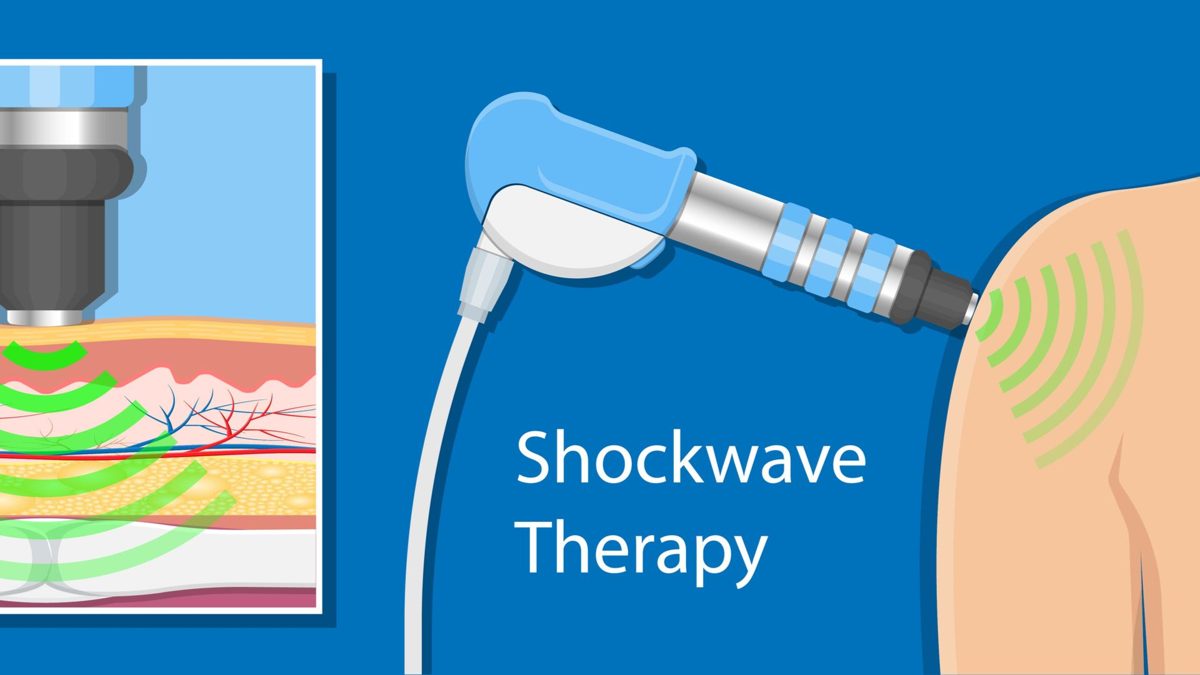
How Does Shockwave Therapy Work?
Shockwave therapy is also known as radial pressure shockwave therapy. It is a newly available treatment for the management of pain caused by various musculoskeletal disorders and injuries.
A shock wave is an intense, short energy wave that moves faster than the speed of sound. This energy wave is used to target painful areas in musculo-skeletal tissues. The energy accelerates the healing process by switching on the body’s own healing mechanisms. These healing mechanisms have often been interrupted when the body gets into an inflammatory cycle.
Is The Plantar Fasciitis Program Right For You?
This program may be the solution for you if:
- You are struggling with ongoing pain in your heel or the sole of your foot.
- You have been diagnosed with plantar fasciitis.
- Your first steps in the morning are painful and this is impacting your mood and energy during the day.
- You have been told to have an injection and would like to avoid this.
- You have already had an injection and the pain has come back.
- You have been told to take painkillers and would rather get to the root of the problem.
- You are starting to worry that your heel is not going to get better and it’s getting you down.
How Many Treatments Will I Need?
Every heel pain case is different and each treatment program is tailored to suit your specific circumstances and goals.
The number of treatments varies from person to person depending on a number of factors such as how long the injury has been present and the severity of the pain.

Request A FREE Heel Pain Consultation.
Are you unsure if the Plantar Fasciitis program is right for you?
Would you like to know more about what an osteopath can do for you, or you simply want to get some advice?